DIY Secondary Glazing: How to Add a Second Pane Without Replacing Your Windows
Replacing single-pane windows costs $300–$1,000 each. That's why secondary glazing — adding an interior second pane to an existing window — is one of the best-kept secrets in home insulation.
Done properly, DIY secondary glazing on single-pane windows can match the thermal performance of factory double glazing at a fraction of the cost. And unlike bubble wrap insulation →, it keeps your view perfectly clear.
In this guide, you'll learn:
What is Secondary Glazing?
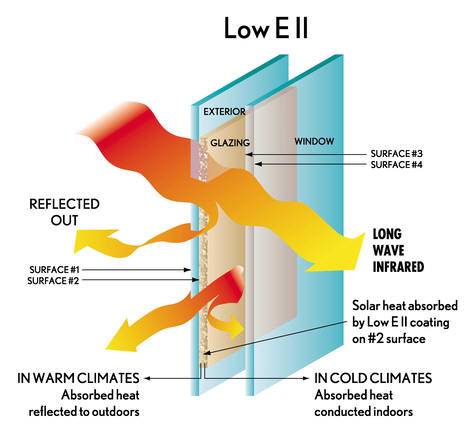
Secondary glazing is an additional glazing panel — glass or clear acrylic/polycarbonate — fitted to the inside of an existing window, creating an insulating air gap between the two panes. It's not a replacement for the original window; it's an addition to it.
The principle is identical to factory double glazing: trapped air between two panes acts as an insulator. The difference is that secondary glazing is fitted from inside, to an existing window frame, without removing the original glass.
Secondary glazing has been used in the UK since the 1970s — particularly in listed buildings and conservation areas where replacing original windows isn't permitted. Its effectiveness is well-established.
How Much Does It Actually Help?
The insulation value depends primarily on the air gap between the original pane and the secondary panel:
| Air gap | R-value added | Noise reduction |
|---|---|---|
| 6mm | ~R-1 | Minimal |
| 12mm | ~R-1.5 | Moderate |
| 20–25mm | ~R-2 to R-2.5 | Good (up to 35dB reduction) |
| 50mm+ | ~R-2 to R-2.5 (diminishing returns) | Excellent |
A single-pane window at R-1, upgraded with a 20mm air gap secondary panel, reaches approximately R-3 — outperforming standard double glazing (R-2 to R-3) and matching premium double glazing performance.
The 20–25mm air gap is the sweet spot. Below 12mm you get convection currents across the gap that reduce insulation efficiency. Above 50mm, performance plateaus and the unit becomes more visible and bulky.
What Materials Can You Use?
Clear acrylic (Plexiglas / PMMA)
The most popular DIY choice. Lightweight, easy to cut with a scoring knife or circular saw, and optically clear. Acrylic yellows slightly after many years of UV exposure but lasts 10–15+ years indoors. Available from hardware stores and online in 3mm, 4mm, and 6mm thicknesses. Use 4mm for spans up to 1.2m; 6mm for larger panes.
Clear polycarbonate
Slightly less optically clear than acrylic but more impact-resistant and better at UV blocking. Slightly more expensive. Excellent choice for larger panels or areas where accidental impact is a concern.
Glass
True glass secondary glazing is what professional units use. It's heavier, requires cutting tools or pre-cut panels, and is less practical for DIY. Professionals use toughened glass for safety. Not recommended for DIY unless you have glazing experience.
Plastic film kits (e.g. 3M Window Film)
Cheaper but creates a much smaller air gap (the film is right against the tape frame). Effective as a quick temporary fix but inferior to rigid panel secondary glazing for long-term insulation. Covered in the bubble wrap vs plastic film comparison →
DIY Magnetic Secondary Glazing (Best Method)
This is the cleanest DIY secondary glazing method: acrylic panels held in place by magnetic strips that attach to the window frame. The panel can be removed in summer and reinstalled in winter, and it leaves no permanent marks on the frame.
Materials needed (per window)
- 4mm clear acrylic sheet cut to size — $15–$30 depending on size
- Self-adhesive magnetic tape (6mm or 10mm wide) — $8–$15 per roll
- Self-adhesive steel tape (corresponding width) — $5–$10 per roll
- Scissors, measuring tape, Stanley knife or acrylic scoring tool
- Total per window: $28–$55
Installation steps
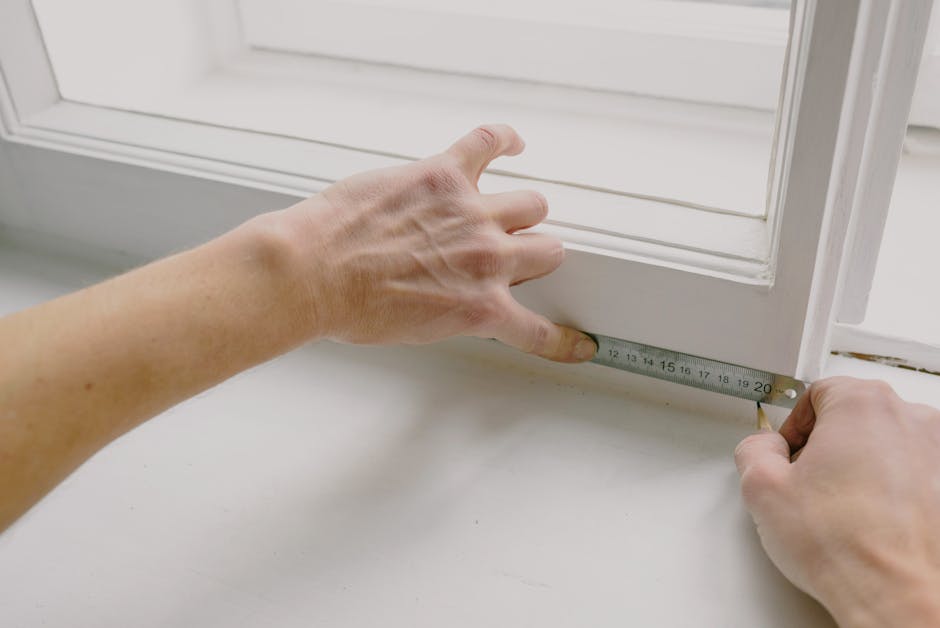
- Measure your window recess: Measure the internal window reveal (the recess between the wall surface and the glass). You want the acrylic panel to sit in this recess, creating an air gap of ideally 20–25mm from the existing glass.
- Cut the acrylic: Score and snap (for straight cuts) or use a jigsaw/circular saw with a fine blade. Cut to fit snugly in the reveal with 2–3mm clearance on each side.
- Apply steel tape to the window frame: Stick self-adhesive steel tape around the perimeter of the window reveal where the acrylic panel will sit. Press firmly and let cure 24 hours.
- Apply magnetic tape to the acrylic edge: Stick magnetic tape around the perimeter of the acrylic panel — check polarity before sticking so it attracts to the steel tape, not repels it.
- Test fit and install: Press the panel against the frame. It should hold magnetically with enough force to stay in place but release cleanly when pulled. Adjust as needed.
The result is a removable secondary glazing panel that can be taken down in spring, stored flat, and reinstalled in autumn in about 2 minutes.
DIY Channel-Frame Secondary Glazing
An alternative to magnetic is using plastic U-channel (PVC extrusion) fixed to the window frame. The acrylic panel slides into the channel top and bottom and is held by friction. Less elegant but cheaper and very effective.
Fix U-channel to the top and bottom of the window reveal with screws or strong adhesive. Cut acrylic to size. Slide the panel up into the top channel, then down into the bottom channel. The panel is held by the channels with a few millimetres of clearance on each side.
This method is fixed (not easily removable) but completely airtight when done well — and at 20–25mm air gap it performs as well as the magnetic method.
Cost Comparison: DIY vs Professional vs Replacement
| Method | Cost per window | R-value achieved | View impact | Lifespan |
|---|---|---|---|---|
| DIY magnetic acrylic | $28–$55 | ~R-3 | None | 10–15 years |
| DIY plastic film kit | $8–$15 | ~R-1.5 | None (until removed) | 1 season |
| Bubble wrap | Free–$5 | ~R-2 | Frosted | 1–3 seasons |
| Professional secondary glazing | $150–$400 | R-3 to R-4 | None | 20–30 years |
| Window replacement (double glaze) | $300–$1,000 | R-2 to R-3 | None | 25–30 years |
DIY magnetic secondary glazing is the only method that beats window replacement on cost while matching or exceeding its thermal performance. The catch is it requires accurate measuring and careful cutting — a half-day project per window.
Secondary Glazing vs Bubble Wrap vs Plastic Film
The three main DIY window insulation methods serve different needs:
- Bubble wrap: Cheapest and fastest, but frosted view. Best for windows you don't look through. Full guide: bubble wrap window insulation →
- Plastic film kits: Clear view, easier than secondary glazing, but smaller air gap and must be replaced each season. Full comparison: bubble wrap vs plastic film →
- Secondary glazing: Best thermal performance, clear view preserved, fully removable, lasts many years. Higher upfront time and cost than the other two methods.
For windows you actively use and look through — living room, kitchen — secondary glazing is worth the effort. For utility windows and rooms you rarely use, bubble wrap is often the smarter choice.
Frequently Asked Questions
Does DIY secondary glazing actually work?
Yes — when built with a 20–25mm air gap, DIY acrylic secondary glazing adds approximately R-2 to R-2.5 of insulation to an existing window. On single-pane glass (starting at R-1), the combined R-value reaches R-3 or higher, matching or beating standard double glazing at a fraction of the cost.
What is the best material for DIY secondary glazing?
4mm clear acrylic sheet is the best DIY material for most applications — it is lightweight, optically clear, easy to cut, and widely available. Use 6mm for larger spans over 1.2 metres. Avoid glass for DIY unless you have glazing experience, as cutting and handling toughened glass safely requires specialist tools.
How much does DIY secondary glazing cost?
A DIY magnetic acrylic secondary glazing panel typically costs $28–$55 per window in materials. This compares to $150–$400 for a professionally installed unit and $300–$1,000 for window replacement.
Is secondary glazing as good as double glazing?
With a 20–25mm air gap, secondary glazing achieves similar or slightly better thermal performance than standard double glazing. Factory double glazing typically uses a 12–16mm argon-filled gap and achieves R-2 to R-3. Secondary glazing with a larger air gap can reach R-3 or above, making it a genuine alternative for listed buildings or renters who cannot replace windows.