Bubble Wrap Window Insulation: Cut Heat Loss by 50%
This is the main guide. For specific sub-topics, jump to:
- Does it actually work? (R-value test data)
- How to install (5-minute method, no tape)
- Best bubble size: small vs large bubbles
- Best bubble wrap to buy (or get free)
- Effectiveness: heat loss data & payback period
- Bubble wrap vs plastic film comparison
- Bubble wrap in summer (heat blocking)
- Greenhouse bubble wrap insulation
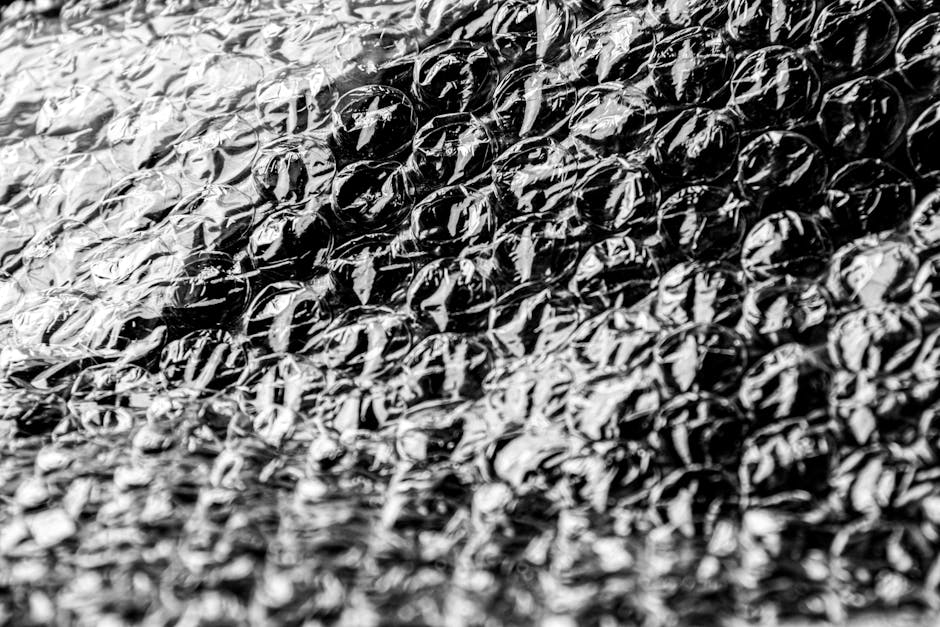
Today I'm going to show you everything you need to know about insulating your windows with bubble wrap.
I've tested it myself on single-glazed windows and saved 30% on my heating bill that winter. I've seen Gary from BuildItSolar run proper thermal measurements on it. And I've watched thousands of people try this — and get very different results depending on which windows they put it on.
Here's the truth: bubble wrap window insulation works brilliantly in some situations and does almost nothing in others. This guide will tell you exactly which situation you're in — and what to do about it.
In this guide, you'll learn
What is Bubble Wrap Window Insulation?
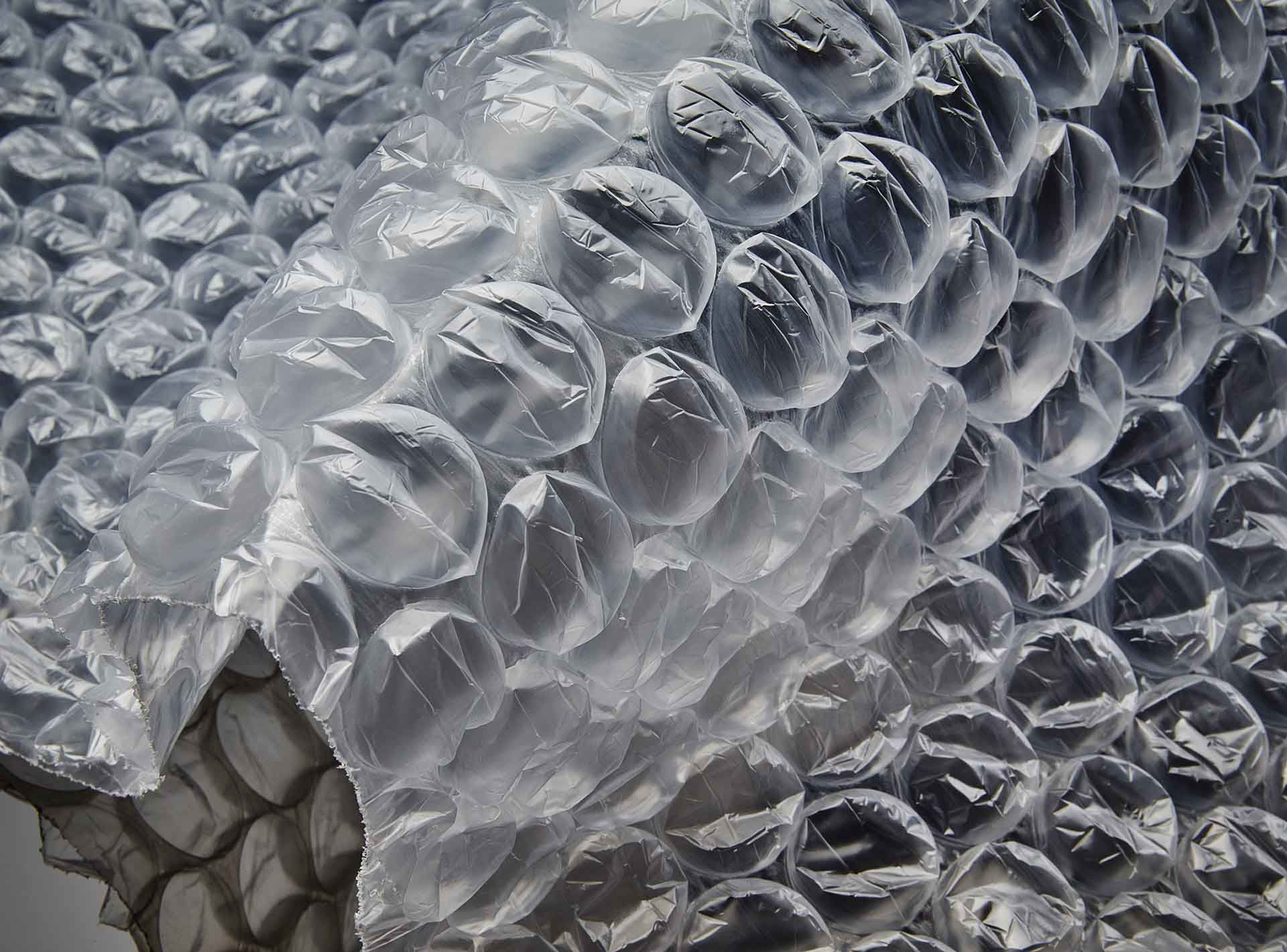
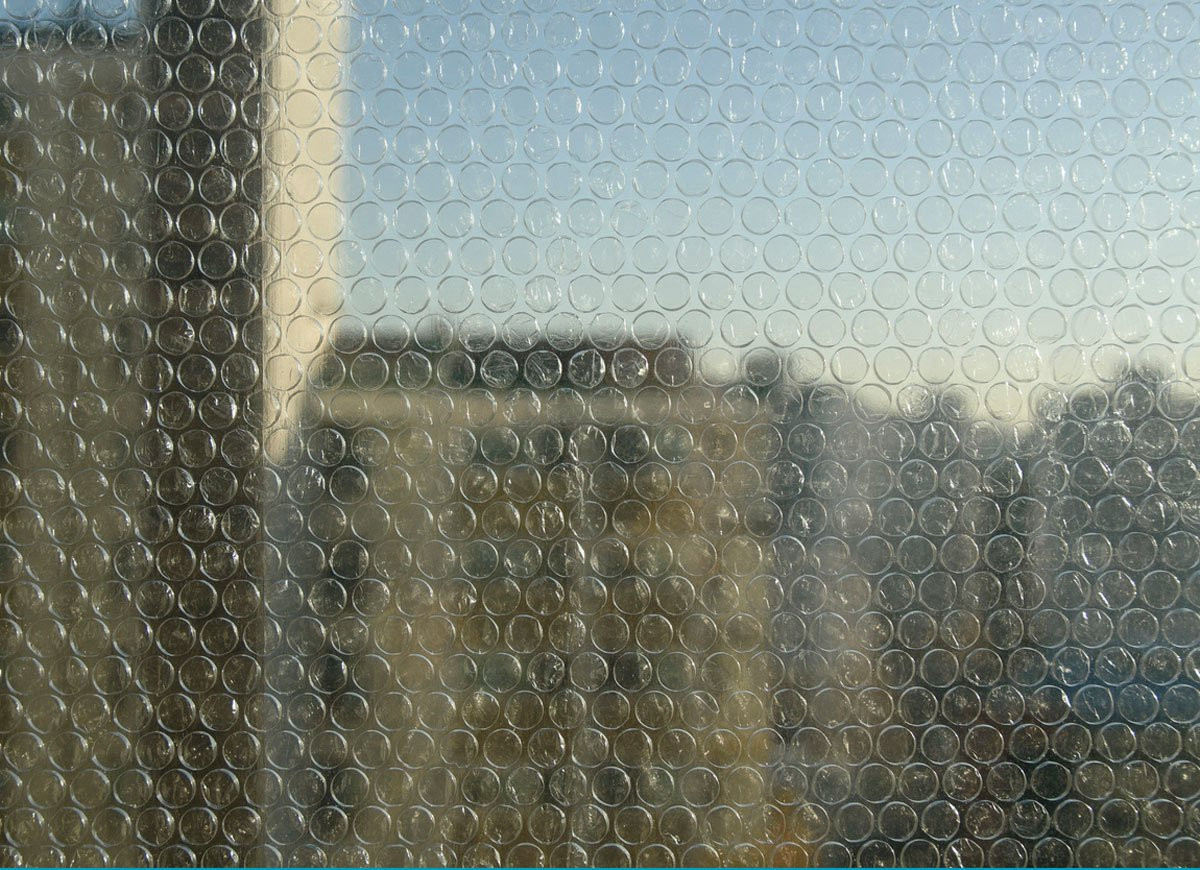
It's exactly what it sounds like. You take ordinary bubble wrap — the kind that comes in product packaging — spray a thin film of water on your window glass, and press the bubble wrap onto it with the bubbly side facing the glass. The water creates a temporary adhesive bond. No tape, no nails, no tools.
The science behind it is simple. Bubble wrap is full of tiny air pockets. Air is one of the best insulators that exists. When you press it against cold glass, those air pockets create a barrier between the room's warm air and the frigid glass surface. Less heat bleeds through. Your room stays warmer.
But how much warmer? That depends entirely on what kind of windows you have.
Does Bubble Wrap Window Insulation Actually Work?
Short answer: yes — but only for certain windows.
Here's the breakdown:
- Single-glazed windows: Bubble wrap can reduce heat loss by up to 50%. This is where you'll see dramatic results. Single-pane glass has almost no insulation value on its own, so adding even a simple air barrier makes a huge difference.
- Double-glazed windows: You'll see up to 20% improvement. Useful, but less dramatic. The existing air gap between the panes already does a lot of the work.
- Triple-glazed or energy-efficient windows: Essentially zero improvement. These windows are already so well insulated that bubble wrap can't meaningfully improve on them.
If you have old single-pane windows — in an older house, a garage, a shed, a greenhouse, or a rental property — bubble wrap is genuinely one of the most cost-effective things you can do for winter heating costs.
The Complete Bubble Wrap Insulation Guide Series
This is the hub page for our full bubble wrap window insulation series. Each guide below goes deep on one specific question or situation. Pick the one that fits where you are right now:
Getting Started
Does Bubble Wrap Actually Insulate Windows? Real Test Data →
The science, the R-value measurements, and honest results by window typeHow to Install Bubble Wrap on Windows: Step-by-Step →
The 5-minute method — which side faces the glass, how long it holds, and how to remove it
Choosing the Right Bubble Wrap
What Size Bubble Wrap is Best for Window Insulation? →
Small bubbles vs large bubbles — the answer matters more than you thinkBest Bubble Wrap for Window Insulation: Types and Where to Get It Free →
Recycled packaging vs purpose-made horticultural wrap vs fresh rolls
Seasonal Use
Bubble Wrap on Windows in Summer: Does It Keep Heat Out? →
Yes — the physics works in reverse. Which windows to target and howBubble Wrap vs Plastic Film Window Insulation: Which is Better? →
Full head-to-head: cost, R-value, appearance, reusability, and verdict
Results and Effectiveness
- How Effective is Bubble Wrap Window Insulation? (R-Value, Heat Loss & Payback) →
Real numbers: energy savings, payback period calculations, and honest verdict by window type
Quick Start: How to Insulate Your Windows with Bubble Wrap
If you're ready to try it right now, here's the short version:
- Get bubble wrap — free from any product packaging, or cheap from a hardware store
- Cut it to match the size of your window pane (5mm smaller on each edge)
- Spray the glass lightly with plain water from a spray bottle
- Press the bubble wrap onto the wet glass, bubbles facing the glass
- Smooth it out from one edge until it holds firm — no tape needed
That's it. It'll stay up for the entire heating season. Peel it off in spring, roll it up, and reuse it next winter.
The view through the window becomes slightly frosted — you get light, but not a clear view. For north-facing windows or windows you don't actively look through, this is a completely fair trade-off.
Who Benefits Most from Bubble Wrap Window Insulation
This technique is genuinely transformative for:
- Old houses with original single-pane windows — especially in cold climates where heating bills are high
- Rental properties where you can't make permanent modifications
- Greenhouses and polytunnels — this is where horticultural bubble wrap was originally developed
- Garages, sheds, and workshops you're trying to keep above freezing
- Students and renters who need a cheap, reversible, no-damage solution
It's less useful (but still worth trying) for double-glazed windows. And it's not worth bothering with if you already have modern triple-glazed windows.
How Much Does Bubble Wrap Window Insulation Cost?
The materials cost is essentially zero if you save packaging bubble wrap from your deliveries. A roll of new large-bubble wrap from Amazon or a hardware store runs $15–$25 and can cover 10–20 windows depending on size.
| Method | Cost | R-value | Effort | Lifespan |
|---|---|---|---|---|
| Bubble wrap (recycled packaging) | $0 | ~R-1 | 5 minutes | One season |
| Bubble wrap (new roll) | $15–$25 | ~R-1 | 5 minutes | One season |
| Plastic shrink film kit | $5–$12 per window | R-1 to R-2 | 20–30 minutes | One season |
| DIY acrylic secondary glazing | $18–$40 per window | R-2 to R-3 | 2–4 hours | 10+ years |
| Professional secondary glazing | $150–$400 per window | R-3 to R-4 | Professional install | 20+ years |
Compared to replacement windows ($300–$1,000 per window), professional window insulation film ($50–$150 per window installed), or even DIY plastic shrink film kits ($8–$15 per window), bubble wrap is almost absurdly cheap. The payback period is typically a few days to a few weeks for single-pane windows in cold climates.
For the full energy saving calculations and payback analysis, see the effectiveness and payback guide →
The Bottom Line
Bubble wrap window insulation is one of those rare things that is simultaneously cheap, effective, easy, reversible, and eco-friendly — especially if you're reusing packaging waste. It won't replace proper double glazing long-term. But it will cut your heating bills meaningfully this winter, starting today.
Ready to go deeper? Pick the guide that fits your situation from the series above, or jump straight to the step-by-step installation guide →
Frequently Asked Questions
Is bubble wrap good for window insulation?
Yes. Bubble wrap is an effective low-cost window insulator. It adds approximately R-1 of insulation value by trapping air in its bubbles against the glass. For single-pane windows this can cut heat loss by up to 50%. It works in both winter (keeping heat in) and summer (keeping heat out).
How do you put bubble wrap on windows?
Spray a thin film of plain water onto the glass pane with a spray bottle. Press the bubble wrap against the wet glass with the bubbly side facing the glass. Smooth it from one edge outward until it holds firmly. No tape or adhesive is needed — it holds for the entire heating season.
Which side of bubble wrap goes on the window?
The bubbly side always goes against the glass. The bubbles grip the wet glass surface to create the temporary adhesive bond and also form the insulating air layer directly against the cold glass. Putting the flat side against the glass results in poor adhesion.
Does bubble wrap insulation work on double glazed windows?
Yes, but the improvement is smaller than on single-pane glass. Double-glazed windows already have a built-in air gap, so bubble wrap adds up to 20% improvement. On modern high-performance triple-glazed windows the benefit is negligible.
Where can I get bubble wrap for window insulation?
Recycled packaging bubble wrap from your own deliveries is free and works well — choose pieces with large 10–12mm bubbles. Garden centres and hardware stores sell horticultural bubble wrap specifically designed for glass insulation. Online retailers also stock large-bubble rolls at $20–35 per roll.
Want to cut your entire electricity bill, not just window heat loss? The electricity bill reduction guide ranks 12 methods by annual saving — from free behaviour changes to plug-in solar — with a clear sequence for maximum impact on the lowest budget.
Powering a shed or outbuilding? A shed solar system costs £150–£400 and avoids the need to trench a cable across the garden. Solar panels for shed guide →
Want to go further than window insulation? If you are serious about cutting energy bills, two upgrades work perfectly alongside bubble wrap: plug-in solar panels generate free electricity from your window or balcony — no installation required — and a DIY water tank thermal battery stores solar heat for free overnight heating. Both are low-cost, renter-friendly, and complement what you have already done with your windows.
Browse all guides in this series: Does it work? · Installation guide · Best bubble size · Best types to buy · Summer use · Effectiveness data · vs plastic film
Related Guides
- Window and Door Insulation for Winter: 5 Cheap Methods That Actually Work
- DIY Acrylic Secondary Glazing: Cost Per Window and Step-by-Step Install
- Draught Proofing Windows and Doors: Complete DIY Guide
- Cheapest Ways to Keep Heat In: 9 Methods Ranked by Payback Period
- How to Cover Old Window Sills with PVC: UPVC Sill Cover Installation Guide
- Best Roof Insulation: Types, R-Values and 3 Mistakes to Avoid
- How to Reduce Your Electricity Bill: 12 Methods Ranked by Annual Saving