Cheapest Ways to Keep Heat In: 9 Methods Ranked by Payback Period
Most guides to reducing heating bills start with the most expensive solutions — triple glazing, heat pumps, whole-house insulation. This guide does the opposite.
Here are nine proven methods for keeping heat in your home, ranked strictly by payback period from fastest to slowest. The methods at the top of this list cost almost nothing and pay back in days or weeks. The ones at the bottom cost thousands and take years. Do the cheap ones first — always.
In this guide, you'll learn:
- 9 Methods Ranked by Payback Period
- 1. Draught Proofing (Payback: Weeks)
- 2. Bubble Wrap Window Insulation (Payback: Immediate)
- 3. Thermal Curtains (Payback: 1–2 Years)
- 4. Loft/Roof Insulation (Payback: 1–3 Years)
- 5. DIY Secondary Glazing (Payback: 1–2 Years)
- 6. Radiator Reflectors (Payback: Weeks)
- 7. Floor Insulation (Payback: 3–7 Years)
- 8. Cavity Wall Insulation (Payback: 3–6 Years)
- 9. Window Replacement (Payback: 15–25 Years)
- Beyond Insulation: Generate Heat for Free
- FAQ
9 Methods Ranked by Payback Period
| Method | Cost | Annual saving | Payback | Effort |
|---|---|---|---|---|
| Radiator reflectors | £5–£15 | £25–£60 | Weeks | 30 mins |
| Draught proofing (DIY) | £20–£60 | £60–£150 | 2–6 months | Half a day |
| Bubble wrap window insulation | £0–£25 | £40–£120 | Immediate–3 months | 5 mins/window |
| Loft/roof insulation (top-up) | £100–£400 | £150–£350 | 6–18 months | Half a day DIY |
| DIY secondary glazing | £15–£40/window | £15–£40/window | ~1 year | 1–2 hrs/window |
| Thermal curtains | £30–£80/window | £20–£50/window | 1–2 years | 1 hr/window |
| Floor insulation | £300–£1,200 | £100–£250 | 3–7 years | Professional |
| Cavity wall insulation | £500–£1,500 | £150–£280 | 3–6 years | Professional |
| Window replacement | £4,000–£12,000 | £100–£300 | 15–25 years | Professional |
1. Draught Proofing — Payback: 2–6 Months
Draught proofing is the single highest-return home insulation investment available. Gaps around windows, doors, floors, and chimneys account for up to 25% of a home's heat loss — and sealing them costs almost nothing.
A typical home has 50–100 metres of gaps around windows and doors. At £0.50–£1.00 per metre for self-adhesive foam strip, whole-house draught proofing costs £30–£80 in materials and takes 3–4 hours. Annual saving: £60–£150. Payback: 2–6 months.
Full guide with every method and material type: draught proofing windows and doors →
2. Bubble Wrap Window Insulation — Payback: Immediate
Bubble wrap cut to window size and pressed onto misted glass creates an insulating air layer that adds approximately R-1 of insulation — about the same as adding a second pane of glass. If you use packaging bubble wrap you already have, the cost is zero and the payback is immediate.
Particularly effective on single-pane windows, basement windows, and any window you don't look through. Takes 5 minutes per window. The complete method, which side faces the glass, and which windows benefit most: bubble wrap window insulation guide →
3. Thermal Curtains — Payback: 1–2 Years
Heavy thermal or blackout curtains add R-1 to R-2 of insulation when closed and reduce cold air circulation from windows. They work best on large windows in rooms that are used in the evening when curtains are naturally closed. A good set costs £30–£80 per window and saves £20–£50 per window per year in a well-heated room — payback 1–2 years.
Thermal curtains complement, rather than replace, other window insulation methods. Use them alongside bubble wrap (bubble wrap during the day, curtains at night) for maximum effect.
4. Loft/Roof Insulation Top-Up — Payback: 6–18 Months
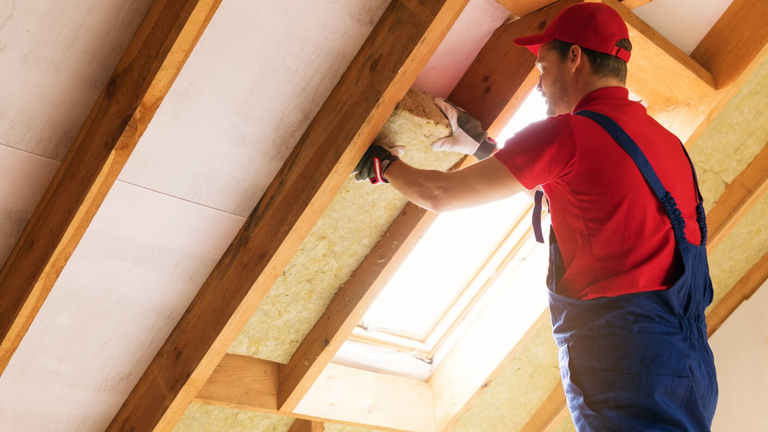
Roof and loft spaces account for 25–35% of heat loss in a typical house. If your loft insulation is below 270mm thick, topping it up to 270mm+ is the highest-priority structural insulation upgrade. A top-up on an existing insulated loft takes half a day with mineral wool rolls and costs £100–£400 in materials for a standard semi-detached home.
Annual saving: £150–£350. Payback: 6–18 months. Grant funding is often available — in the UK, check the Energy Company Obligation (ECO4) scheme.
If your loft has no insulation at all, this becomes the fastest-payback major insulation investment — typically under 6 months. Full guidance on types and installation: roof insulation guide →
5. DIY Secondary Glazing — Payback: ~1 Year
DIY acrylic secondary glazing — a removable panel fitted inside the existing window frame — adds R-2 to R-3 insulation, matching factory double glazing performance. Materials cost £15–£40 per window. The panel is clear (unlike bubble wrap), removable, and lasts 10+ years.
This is the highest-performance DIY window upgrade available to renters and homeowners alike. On single-pane windows it transforms heat loss performance to double-glazing standard at 5–10% of replacement window cost. Full cutting guide, magnetic vs channel mounting, and acrylic vs polycarbonate choice: DIY secondary glazing guide →
6. Radiator Reflectors — Payback: Weeks
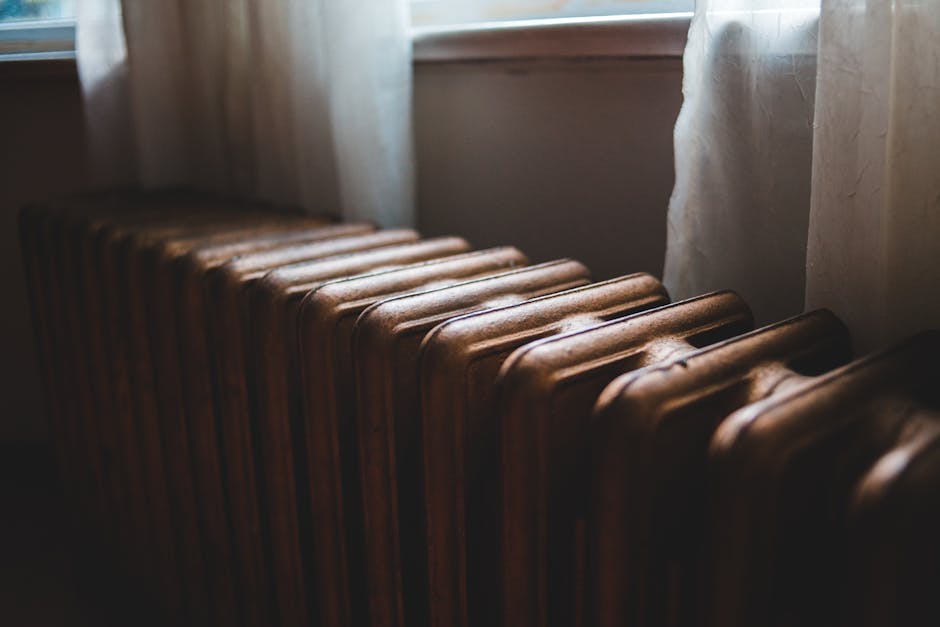
Reflective foil panels fitted behind radiators on external walls reflect heat back into the room instead of letting it conduct through the wall. A set of reflector panels for one radiator costs £5–£15 and takes 30 minutes to fit. Annual saving per radiator: £25–£60 depending on wall construction and radiator size. Payback: weeks.
This is particularly effective for radiators on solid external walls (no cavity) where wall insulation is not possible. For a house with 6 external-wall radiators, total cost £30–£90, total annual saving £150–£360.
7. Floor Insulation — Payback: 3–7 Years
Suspended timber floors (common in pre-1930s UK housing) lose significant heat through gaps between floorboards and through the void beneath. Blown mineral wool insulation under the floor costs £300–£800 for a typical ground floor and saves £50–£150 per year. Solid concrete floors are harder to insulate — rigid foam boards on top, then new flooring, costs £500–£2,000 installed.
Payback 3–7 years makes floor insulation a reasonable long-term investment but a lower priority than the faster-payback methods above.
8. Cavity Wall Insulation — Payback: 3–6 Years
Cavity walls (two layers of brick with a gap between, standard construction from the 1930s–1990s) can be injected with mineral wool, EPS beads, or foam insulation through small holes drilled from outside. Cost: £500–£1,500 professionally installed. Annual saving: £150–£280. Payback 3–6 years.
Important: cavity wall insulation is not suitable for all properties. Walls exposed to heavy rain (west-facing in the UK), walls with existing damp problems, or non-standard wall constructions should be assessed before insulation. A reputable installer will conduct a cavity survey before quoting.
9. Window Replacement — Payback: 15–25 Years
Replacing single-pane windows with double glazing costs £300–£600 per window installed (£4,000–£12,000 whole house). Annual saving per window: £15–£45 for a typical bedroom window, £25–£80 for a larger living room window. Whole-house annual saving: £100–£300.
Simple payback: 15–25 years. Over a 25-year lifespan the windows save their installation cost — but only just. The honest assessment: window replacement makes financial sense when frames are failing, when seals have broken on existing double glazing, or when undertaking a full renovation where disruption costs are already absorbed. It does not make sense as a standalone energy-saving investment. See: do replacement windows save money? →
Beyond Insulation: Generate Heat for Free
Once your home is properly insulated, the next logical step is generating free heat rather than only conserving it. Three approaches work well in most homes with no planning permission required:
- Passive solar gain: South-facing windows and thermal mass floors store solar heat during the day and release it at night — free heating with no equipment. Passive solar heating guide →
- DIY solar air heater: A south-facing wall-mounted collector produces 200–400W of free heat per m² on clear winter days. Build cost £40–£100. Solar air heater guide →
- Plug-in solar panels: Generate free electricity that offsets your heating electricity costs with no installation required. Plug-in solar guide →
Want to see every electricity-saving method together? The how to reduce electricity bill guide ranks 12 methods by annual saving in the UK and US — from free behaviour changes through to solar — with realistic figures and payback periods throughout.
The right sequence matters. Insulate first, then generate. A poorly insulated home wastes much of the heat a solar system produces. The methods ranked above are in the correct order — do the cheap, fast-payback ones first, and only then invest in longer-payback structural improvements or renewable generation.
Frequently Asked Questions
What is the cheapest way to keep heat in a house?
Radiator reflectors (£5–£15) and bubble wrap window insulation (free if you reuse packaging) are the cheapest ways to reduce heat loss, with payback periods of weeks. Draught proofing at £20–£60 for a whole house pays back in 2–6 months and tackles one of the largest single sources of heat loss — gaps around windows and doors. Do these three first before spending anything significant on structural insulation.
How do I keep heat in without spending money?
Use packaging bubble wrap on windows, roll up towels against the bottom of draughty doors, close internal doors to rooms you are not using, put reflective foil (even kitchen foil as a temporary measure) behind radiators on external walls, and close curtains at dusk. None of these cost anything and together they can reduce your heating bill by 5–15% with no outlay.
Is it worth insulating if I rent?
Yes — bubble wrap window insulation and draught sealing strips are removable, leave no marks, and can be taken when you move. DIY secondary glazing using the magnetic-strip method is also fully reversible. Even as a renter, insulating the windows you use every day pays back in one heating season and improves comfort immediately.
What gives the biggest reduction in heating bills?
In order of impact for a typical UK pre-2000 semi-detached house: loft insulation top-up (£150–£350 saving), cavity wall insulation (£150–£280), draught proofing (£60–£150), and window insulation (£40–£120 for all windows combined). Loft insulation is the single largest saving available to most UK homes.