How to Heat a Greenhouse Cheaply: 7 Methods Ranked by Cost and Effectiveness
Heating a greenhouse through winter is the challenge that stops most gardeners from extending their growing season. Conventional electric or gas heating works — but the bills can exceed the value of what you're growing.
Here's the truth: most greenhouses can be kept frost-free through winter at very low or zero ongoing cost using the right combination of passive techniques. The trick is layering multiple cheap methods rather than relying on expensive heating as the primary strategy.
This guide ranks the main methods by cost and effectiveness so you can pick the combination that fits your setup.
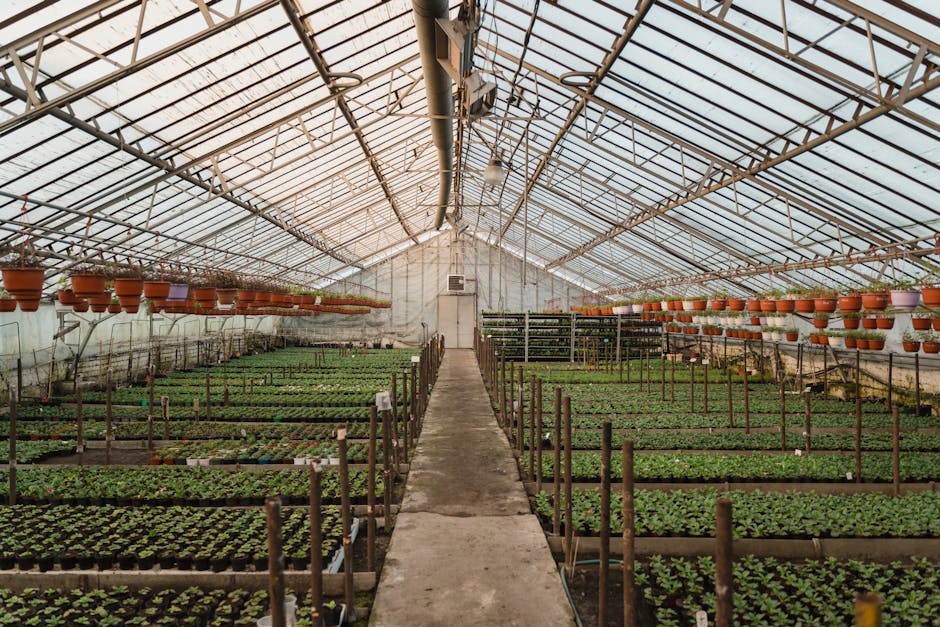
In this guide, you'll learn:
Step 1: Insulate Before You Heat
This cannot be said strongly enough: every pound or dollar spent on insulation saves multiple pounds or dollars in heating. A leaky greenhouse can lose 90% of its heat overnight. The methods below only work if the greenhouse holds heat reasonably well.
Before applying any heating strategy, address the basics:
- Seal gaps around the door, vents, and base with weatherstrip or foam tape
- Check that all glazing panels are intact — even small cracks lose significant heat
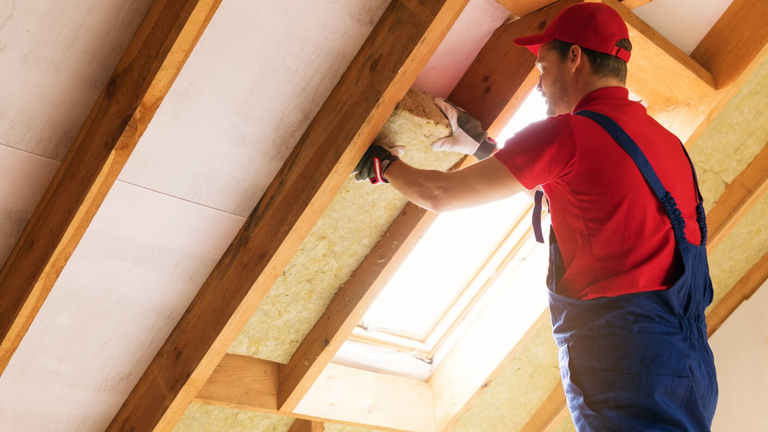
- Add a second skin of insulation on the north wall (the side that gets no sun and only loses heat) — rigid foam board is ideal
- Consider insulating the lower section of walls up to 1 metre above ground — most cold air infiltration happens at the base
Bubble wrap glazing insulation (covered in the next section) is the most impactful single action. Do it before anything else.
Bubble Wrap Glazing Insulation
Cost: $0–$40. Heat saving: 20–40%. Year-round usable.
Horticultural bubble wrap pinned or clipped to the inside of your greenhouse glazing is the single most effective cheap greenhouse insulation method. It works on glass, polycarbonate, and polythene — any glazing material.
A single layer of large-bubble horticultural wrap reduces heat loss through the glazing by approximately 30%. A double layer approaches the insulation value of twin-wall polycarbonate.
Full details in the greenhouse bubble wrap insulation guide → including how to install on different glazing types and how much you can save. Also see the broader bubble wrap insulation guide → for the underlying science.
Thermal Mass: Water Barrels
Cost: $0–$100 for barrels. Running cost: zero. Heat release: passive, overnight.
Water has the highest heat capacity of any common material — it stores more heat per kilogram than concrete, brick, or soil. Dark-coloured water containers placed in the greenhouse absorb solar heat during the day and release it slowly overnight, dramatically reducing how cold the greenhouse gets after dark.
The basic approach: fill black or dark-painted 55-gallon drums or large containers with water and position them in the sunniest part of the greenhouse. On a clear winter day, the water temperature can rise 5–10°C, and this heat releases slowly through the night to keep air temperatures above freezing.
This is the same principle covered in the water tank solar heat storage guide →, scaled down for greenhouse use. For a deeper thermal mass approach, the SHCS climate battery system → stores heat underground for overnight release.
How much to add: Aim for 5–10 gallons of water storage per square foot of glazing area as a starting point. A small 8×6ft greenhouse needs 40–60 gallons minimum — two or three 55-gallon drums is ideal.
Solar Air Heater
Cost: $70–$200 DIY. Running cost: zero (fan powered by 5W panel). Daytime heat supplement.
A DIY solar air heater mounted on the south-facing wall of the greenhouse provides free heat during daylight hours — exactly when the greenhouse is coldest in autumn and spring (before the sun fully warms it in the morning) and during overcast periods when the glazing gains less heat than usual.
The design is a black-painted collector panel with a small solar-powered fan that blows warm air into the greenhouse. Full build instructions are in the solar air heater DIY guide →. For a greenhouse, a 0.5m² collector is sufficient for an 8×6ft space; scale up proportionally for larger structures.
The self-regulating fan (runs only when sun shines) means no controls, no maintenance, and no electricity cost.
Climate Battery (SHCS) — Underground Heat Storage
Cost: ~$1/sq ft of greenhouse. Running cost: pennies per year (one small fan). Best for larger greenhouses.
The Subterranean Heating and Cooling System (SHCS) — also called the climate battery — is the most sophisticated low-cost greenhouse heating system available. It buries perforated pipes under the greenhouse floor and uses a small fan to circulate warm, moist daytime greenhouse air underground, where it gives up heat to the soil. At night, the same fan pulls that stored heat back up.
A well-designed SHCS can maintain Mediterranean growing conditions in Zone 4 climates with operating costs of around 7 cents per square foot per year — essentially eliminating supplementary heating needs. Full technical details and equipment list in the SHCS greenhouse system guide →
Compost Heat
Cost: zero (use garden waste). Heat output: 1–5°C warming. Best combined with other methods.
Active compost generates significant heat through microbial decomposition — a large, hot compost pile can reach 60–70°C at its centre. A hot compost pile placed inside or adjacent to a greenhouse raises the ambient temperature by 1–5°C and adds humidity — often exactly enough to keep frost-sensitive plants alive on marginal nights.
The practical approach: build a large compost bay inside or against the north wall of the greenhouse (where it blocks cold rather than sunlight), using fresh green material, manure, and carbon-rich brown material to keep it actively heating. Turn it periodically to maintain microbial activity and heat output.
Electric Backup: When and How Much
Even with all the free/cheap methods above, you may still need electric backup heating for the coldest nights — prolonged periods below -5°C, multiple consecutive cloudy days, or particularly cold snaps.
A small thermostatically-controlled electric fan heater set to 2–4°C (just above freezing for frost protection) uses electricity only on the coldest nights and costs far less than a heater running constantly without a thermostat.
For a well-insulated, well-thermal-massed 8×6ft greenhouse, a 750W fan heater on a 2°C thermostat typically runs for only a few hours on the coldest nights — costing $0.10–$0.30 per night rather than all night.
The solar stock tank heater principle also works here: a solar-charged battery powering a small heating element → can provide backup heat on cold nights without any grid electricity cost.
Method Comparison Table
| Method | Upfront cost | Running cost | Heat contribution | Best for |
|---|---|---|---|---|
| Bubble wrap glazing | $0–$40 | Zero | ★★★★☆ (reduces loss 30%) | All greenhouses — do this first |
| Water barrel thermal mass | $0–$100 | Zero | ★★★☆☆ (overnight frost protection) | Small to medium greenhouses |
| SHCS climate battery | ~$1/sq ft | Pennies/year | ★★★★★ (full season extension) | Medium to large greenhouses |
| Solar air heater (DIY) | $70–$200 | Zero | ★★★☆☆ (daytime supplement) | All greenhouses |
| Compost heat | Zero | Zero | ★★☆☆☆ (1–5°C marginal gain) | Combined with other methods |
| Electric fan heater (thermostat) | $30–$80 | Low (thermostat control) | ★★★★★ (reliable) | Backup for extreme cold nights |
Frequently Asked Questions
What is the cheapest way to heat a greenhouse?
The cheapest approach combines free methods: bubble wrap insulation on the glazing (reduces heat loss 30%), dark water barrels as thermal mass (store daytime solar heat for overnight release), and gap sealing. Together these three methods can keep a small greenhouse frost-free through mild to moderate winters at almost zero ongoing cost.
How do you heat a greenhouse without electricity?
Water barrel thermal mass, compost heat, and a DIY solar air heater can all provide greenhouse heat with no electricity. The SHCS climate battery uses a tiny fan drawing minimal electricity (comparable to an LED bulb). Combined, these methods maintain frost-free conditions in most temperate climates without conventional electric or gas heating.
How many water barrels do I need to heat a greenhouse?
Aim for 5–10 gallons of water storage per square foot of glazing area as a starting point. A standard 8×6ft greenhouse with approximately 120 sq ft of glazing needs 60–120 gallons — two to four 55-gallon drums positioned in the sunniest location inside the greenhouse.
Does bubble wrap actually insulate a greenhouse?
Yes, significantly. A single layer of large-bubble horticultural bubble wrap on the inside of greenhouse glazing reduces heat loss by approximately 30%. A double layer can cut heat loss by 40–50%, approaching the performance of twin-wall polycarbonate glazing. It is the highest-return single action available for reducing greenhouse heating costs.