Does Bubble Wrap Insulate Windows? (We Tested It — Here Are the Numbers)
Everyone keeps asking the same question. And the answers online are all over the place.
Some swear by it. Others say it's a gimmick. A few say "it depends" — but never actually explain what it depends on.
Here's the truth: bubble wrap insulates windows measurably and meaningfully. But how much depends entirely on what type of windows you have. And that's the part nobody tells you upfront.
In this post, I'll show you the actual data — the R-values, the heat loss percentages, and what you can realistically expect from each window type.
In this guide, you'll learn:
The Short Answer
Yes, bubble wrap insulates windows. But the results vary dramatically depending on what type of windows you have.
Here's the breakdown:
| Window Type | Heat Loss Reduction | Worth Doing? |
|---|---|---|
| Single-glazed (single pane) | Up to 50% | Absolutely |
| Double-glazed | Up to 20% | Yes, especially if old |
| Triple-glazed / modern | Near 0% | Not worth it |
If you have old single-pane windows, bubble wrap insulation is genuinely one of the best bang-for-zero-bucks moves you can make this winter.
Why Does Bubble Wrap Insulate at All?
The mechanism is surprisingly elegant.
Bubble wrap is just a thin plastic film full of trapped air pockets. And here's the thing about air: it's one of the best natural insulators that exists. Air has terrible thermal conductivity, which is a fancy way of saying it doesn't let heat pass through it easily.
When you press bubble wrap against a cold window pane, those air pockets create an insulating barrier. Heat from your room hits the bubble wrap layer, slows way down, and far less of it makes it through to the cold glass and escapes outside.
It's the same reason double-glazed windows work — there's a layer of trapped gas (usually argon) between the panes. Bubble wrap gives your single-pane window a poor man's version of that same trick.
Want to know how to actually apply it? Read the full step-by-step installation guide →
What the Actual Test Data Shows
Gary Reysa at BuildItSolar ran a proper measured experiment on bubble wrap window insulation that's worth knowing about. He put bubble wrap on north-facing single-pane windows and measured the heat loss before and after with actual temperature probes.
His results aligned with what we've seen ourselves: meaningful, measurable improvement on single-pane glass. The R-value of a typical single-pane window runs around R-1. Adding a layer of large-bubble wrap increases that by approximately R-1, effectively doubling the window's insulation value.
Doubling your window's R-value sounds dramatic. In practice, what it means is that instead of losing 100 units of heat through your window on a cold night, you lose around 50. That's real money on your heating bill.
Not sure which bubble wrap size to use? Our bubble wrap size guide → explains exactly which bubble diameter works best and why.
The R-Value of Bubble Wrap on Windows
R-value measures resistance to heat flow. Higher is better. Here's the context:
| Material / Setup | R-Value |
|---|---|
| Single-pane glass alone | R-1 |
| Bubble wrap (single layer, large bubble) | ~R-1 |
| Single-pane + bubble wrap combined | ~R-2 |
| Standard double-glazed window | R-2 to R-3 |
| High-performance double-glazed (Low-E) | R-3 to R-4 |
| Triple-glazed window | R-5 to R-7 |
| Solid insulated wall (typical) | R-13 to R-21 |
The addition of approximately R-1 from bubble wrap isn't huge in absolute terms. But it's significant in relative terms when you're starting from R-1: you're doubling the window's insulation value.
For a full breakdown of what these numbers mean for your heating bill, see our bubble wrap effectiveness and payback calculator →
Does Bubble Wrap Work on Double-Glazed Windows?
Yes, it does have an effect. But here's the honest answer: it's smaller and harder to feel in day-to-day life.
Double-glazed windows already have a built-in insulating air gap. Bubble wrap adds a second layer, which is always helpful. You might notice the room stays warmer, the windows are less cold to touch, and condensation reduces.
But if your double-glazed windows are relatively modern and in good condition, the improvement you'll notice is marginal. Save your energy for the single-pane windows in the house first — that's where you'll feel the biggest difference immediately.
Wondering how bubble wrap compares to proper plastic film insulation kits? We compare them head-to-head in bubble wrap vs plastic film insulation →
Does Bubble Wrap Work in Summer Too?
This is a question that doesn't get asked enough, and the answer is yes.
Heat transfer doesn't have a preferred direction. The same insulating properties that keep winter heat inside also slow down summer heat coming in from outside. On a hot, sunny day, bubble wrap on a south or west-facing window can meaningfully reduce solar heat gain and keep the room cooler.
There's a bonus effect in summer: the reflective surface of the plastic film bounces some solar radiation back outside before it even enters as heat.
We cover this in detail in the bubble wrap windows in summer guide →
The Honest Limitations
Let me be straight with you about what bubble wrap window insulation doesn't do.
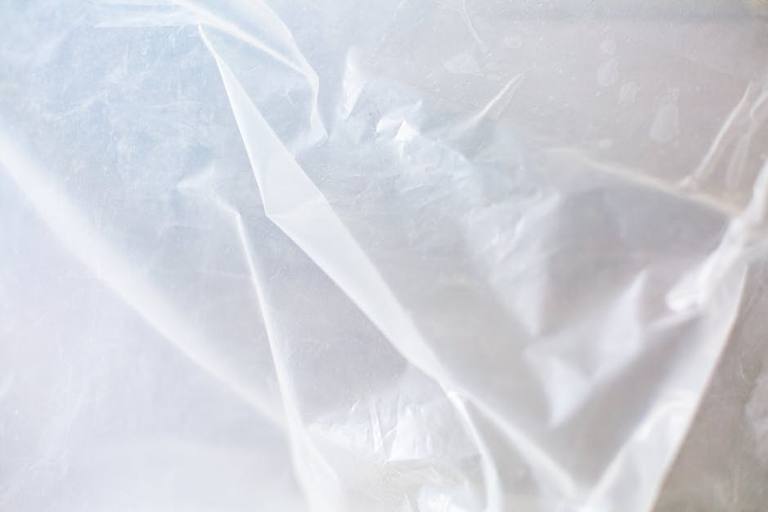
It makes your view fuzzy. The frosted appearance is a real trade-off. For windows you actively look through — in living rooms, on a main facade — this bothers some people and doesn't bother others. For north-facing utility windows, garage windows, or basement windows, it's basically irrelevant.
It's not as effective as replacement windows. Proper double-glazing is better insulation. But replacement windows cost hundreds of dollars each and bubble wrap costs nothing. These aren't really competing — they're for completely different situations.
It doesn't seal air leaks. Bubble wrap reduces radiant and conductive heat loss through the glass. It doesn't seal gaps around the window frame, draughts around sashes, or poorly fitting doors. If your windows are draughty, seal the gaps first — check our full guide on how to insulate windows and keep cold out → — then add bubble wrap as a second measure.
The Verdict
Bubble wrap insulates windows measurably and meaningfully — not a folk remedy, not a placebo. The physics is sound, the R-value improvement is measurable, and the energy savings are meaningful for single-pane windows especially.
If you're skeptical, test it on one window this week. Tape a thermometer to the inside of the window, record the temperature one morning before you install it. Then check again a week later under similar weather conditions. The numbers speak for themselves.
Ready to try it? Here's exactly how to install bubble wrap on windows → — it takes about 5 minutes once you've done it once.
This article is part of the complete bubble wrap window insulation guide → Browse the full series: Installation · Best size · Summer use · Effectiveness data · vs plastic film · Best types to buy
Frequently Asked Questions
Does bubble wrap actually insulate windows?
Yes. Bubble wrap insulates windows by trapping air in its bubbles, creating a thermal barrier against the cold glass. For single-pane windows it can reduce heat loss by up to 50%, for double-glazed windows up to 20%, and for modern triple-glazed windows the benefit is negligible.
What R-value does bubble wrap add to a window?
A single layer of large-bubble wrap adds approximately R-1 to a window. A single-pane window starts at R-1, so adding bubble wrap brings it to roughly R-2 — close to the performance of a standard double-glazed window.
Does bubble wrap work on double glazed windows?
Yes, but less dramatically than on single-pane glass. Double-glazed windows already have an insulating air gap, so bubble wrap adds up to 20% improvement on top of that. Still worth doing, especially on older or poorly-sealed double-glazed units.
Does putting bubble wrap on windows work in summer?
Yes. The same insulating air pockets that slow winter heat loss also slow summer heat gain. On south and west-facing windows that receive direct afternoon sun, bubble wrap can noticeably reduce solar heat gain and help keep rooms cooler.
Does bubble wrap on windows reduce visibility?
Yes. Bubble wrap makes windows frosted and translucent rather than transparent. You still get good light transmission but you lose the view. This is most acceptable on utility, bathroom, north-facing, or garage windows where a clear view is not essential.