Bubble Wrap on Windows in Summer: Does It Keep Heat Out?
Most guides on bubble wrap window insulation talk exclusively about winter — keeping the cold out, cutting heating bills, surviving a brutal January.
But summer? That's where people get confused.
Here's the truth: bubble wrap works in both directions. The same physics that slows heat escaping in winter also slows heat entering in summer. If you live somewhere with hot summers and you're fighting to keep rooms cool without running air conditioning all day, bubble wrap on certain windows is absolutely worth trying.
In this guide, you'll learn:
The Physics: Why It Works Both Ways
Heat moves from hot to cold. Always. That's not a suggestion — it's thermodynamics.
In winter, your room is warmer than outside, so heat flows outward through the glass. Bubble wrap slows that outward flow.
In summer, outside is hotter than your room, so heat flows inward through the glass. The same bubble wrap slows that inward flow by exactly the same mechanism.
The trapped air pockets in the bubble wrap don't care which direction the heat is trying to move. They resist heat transfer either way.
For a full explanation of how the insulation works, see our bubble wrap insulation science guide →
The Summer Bonus: Reflected Solar Radiation
Here's something winter use doesn't give you: in summer, there's also direct solar radiation to contend with.
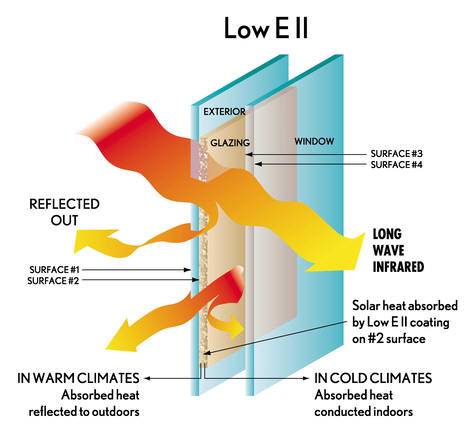
Sunlight carries heat energy in the form of infrared radiation that passes straight through clear glass and warms everything inside your room. Bubble wrap, being a semi-opaque plastic layer, reflects some of that infrared radiation before it enters as heat.
The effect is especially pronounced if the bubble side faces outward (the opposite of the standard winter installation) because the bubbly surface creates more total surface area to reflect from. On a south or west-facing window that gets several hours of direct afternoon sun, the cooling effect can be noticeable.
Where to Use Bubble Wrap for Summer Cooling
Not all windows benefit equally in summer. Target the ones where heat gain is actually a problem.
West-facing windows get low-angle afternoon sun, which is intense and penetrating. This is usually the worst culprit for rooms that overheat in summer afternoons. Bubble wrap here gives you the best summer cooling benefit.
South-facing windows get the most sun in the northern hemisphere, but the angle is high overhead in summer — less bad than you'd expect. Still worth treating if rooms feel hot.
East-facing windows get morning sun which is cooler and lower intensity. Lower priority.
North-facing windows get almost no direct summer sun. Save your bubble wrap for winter on north windows — there's no summer benefit worth the installation effort.
Does It Block Too Much Light?
This is the main objection to summer use, and it's fair.
Bubble wrap makes windows frosted. You still get good light transmission — rooms don't feel dark — but you lose the view and some of the brightness.
In winter, you might accept this trade-off easily because you're not spending much time looking out at grey January skies anyway. In summer, it's different. You want to see the garden. You want morning light.
Some approaches that balance this:
- Bubble wrap on lower sections only — cover the bottom half of the window (which you don't usually look out of directly) and leave the top clear for view and natural light
- Bubble wrap only on the worst afternoon-sun windows — your bedroom might overheat but your living room with a nice view is worth keeping clear
- Bubble wrap from noon to sunset — put it up after breakfast, take it down in the evening. More faff, but preserves morning light.
How to Install for Summer Use
The installation is identical to winter: spray the glass with water, press the bubble wrap against it with bubbles facing the glass. No tape needed. The full method is in the step-by-step installation guide →
One optional summer variation: some people install with the flat side against the glass and bubbles facing outward, on the theory that the bubbly exterior reflects more sunlight. The practical insulation difference is small and adhesion is weaker. Stick with the standard bubbles-in installation unless you're specifically trying to maximise solar reflection.
Bubble Wrap vs Other Summer Window Cooling Methods
| Method | Cost | Cooling Effectiveness | View Impact |
|---|---|---|---|
| Bubble wrap | Free / near zero | Moderate | Frosted — loses view |
| Reflective window film | $20–$80 per window | Good | Tinted — keeps some view |
| External window shade / awning | $100–$500+ | Excellent | None from inside |
| Blackout curtains | $20–$60 per window | Good | Total when closed |
| Nothing | $0 | Zero | Full view |
Bubble wrap is the best option when you want immediate results at zero cost and don't care about the view through that particular window. For summer use specifically, reflective window film is arguably a better permanent solution — it's cleaner-looking and doesn't affect the view as dramatically. We compare these in detail in bubble wrap vs plastic film window insulation →
The Seasonal Reversal: Using the Same Pieces Year-Round
A useful realisation: you can use the same pieces of bubble wrap year-round if your climate demands both winter insulation and summer cooling.
The piece you cut for the bathroom window last October gets peeled off in March, stored in a roll, and goes back up on the west-facing bedroom window in June. Same material, same installation, working for you in both seasons.
That's genuinely hard to beat for cost-effectiveness. A single roll of large-bubble wrap — or better yet, free recycled packaging — protects you from both heating and cooling bills with no ongoing cost.
For a full cost and energy saving breakdown, check the bubble wrap effectiveness and payback guide →
This article is part of the complete bubble wrap window insulation guide → Browse the full series: Does it work? · Installation guide · Best bubble size · Effectiveness data · vs plastic film · Best types to buy
Frequently Asked Questions
Does bubble wrap keep heat out in summer?
Yes. The same trapped air pockets that slow winter heat loss also slow summer heat gain. The physics works in both directions — heat always flows from hot to cold, and bubble wrap resists that flow regardless of direction. On west-facing windows with afternoon sun, the cooling effect can be noticeably felt.
Which windows should I put bubble wrap on in summer?
Focus on west-facing windows first — these get the most intense low-angle afternoon sun and are the biggest contributors to summer overheating. South-facing windows are second priority. North-facing windows get almost no direct summer sun and are not worth treating in summer.
Does bubble wrap on windows work for summer cooling or only winter insulation?
Both. In winter, bubble wrap slows heat escaping outward through the glass. In summer, it slows heat entering inward through the glass. The same piece of bubble wrap can be stored over winter months and reapplied to different windows in summer for cooling purposes.
Does bubble wrap reflect sunlight from windows?
Yes, partially. The semi-opaque plastic film reflects some infrared radiation before it enters the room as heat. The effect is stronger when the bubbly side faces outward, though standard bubbles-in installation also provides this benefit to a lesser degree.