Bubble Wrap Window Insulation Effectiveness: R-Value, Heat Loss Data and Payback Period
Everyone wants to know: does this actually work, and by how much?
The internet is full of vague answers. "It works great!" or "It's barely worth doing" — neither of which helps you decide whether to spend a Saturday afternoon on it.
Here's what the actual numbers show.
In this guide, you'll learn:
The Key Metric: R-Value
R-value measures thermal resistance — how hard a material makes it for heat to flow through. Higher R-value = better insulation.
Here are the reference points you need:
| Material / Setup | R-Value |
|---|---|
| Single-pane glass alone | R-1 |
| Bubble wrap (single layer, large bubble) | ~R-1 |
| Single-pane + bubble wrap | ~R-2 |
| Standard double-glazed window | R-2 to R-3 |
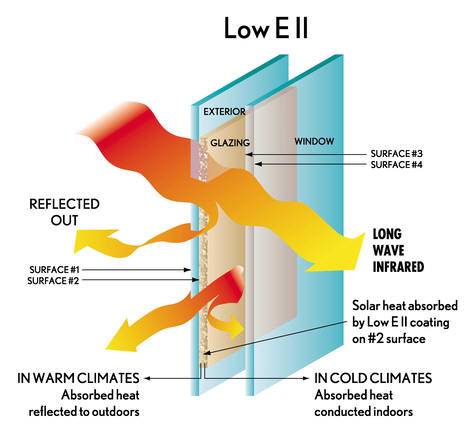
| High-performance double-glazed (Low-E) | R-3 to R-4 |
| Triple-glazed window | R-5 to R-7 |
| Solid insulated wall (typical) | R-13 to R-21 |
The addition of approximately R-1 from bubble wrap isn't huge in absolute terms. But it's significant in relative terms when you're starting from R-1: you're doubling the window's insulation value. For the science behind why it achieves this, see does bubble wrap insulate windows →
Heat Loss Reduction by Window Type
The percentage reduction in heat loss depends on your starting point.
Single-pane windows: Adding R-1 to a starting R-1 cuts heat loss by roughly 50%. This is the dramatic result that makes bubble wrap insulation so compelling for older properties. If you have original single-pane windows — common in houses built before the 1970s — this is a transformative result.
Double-glazed windows (older, standard): Starting from R-2, adding R-1 gives you R-3. The improvement is about 33% reduction in heat loss. Real, meaningful, but less dramatic.
Double-glazed windows (modern, argon-filled): Starting from R-2.5 to R-3, adding R-1 gives maybe 25–30% improvement. Still positive.
Triple-glazed windows: Starting from R-5 or better, adding R-1 gives maybe 15–17% improvement. At this point, the insulation your windows already have is doing most of the work.
Want to understand your window type? Our guide on energy efficient windows → explains the full glazing spectrum from single-pane to triple-glazed Low-E.
What This Means in Practice: Energy Cost Calculations
Let's run a real example.
Imagine a house with 10 single-pane windows, each roughly 1.2m × 1.5m (about 4ft × 5ft). You live somewhere that gets 150 heating days per year and your indoor-outdoor temperature difference averages 15°C (27°F) on a heating day.
Without bubble wrap: Heat loss rate through each window: approximately 27 watts per square metre at that temperature differential. Total window area: 18 square metres. Total continuous heat loss rate: approximately 490 watts during heating hours. Over 150 days (assume 12 heated hours per day): roughly 882 kWh per year lost through those windows alone.
With bubble wrap (50% reduction for single-pane): Heat loss rate halved to approximately 245 watts. Annual heat loss through windows: roughly 441 kWh.
The saving is around 441 kWh per year. At a typical UK electricity rate of 25p per kWh, that's about £110 saved per year. At US rates for gas heating, the proportional savings are similar.
These numbers are illustrations, not guarantees — your actual saving depends on your specific windows, climate, and heating system. But the order of magnitude is right.
The Payback Period
This is where bubble wrap's case becomes almost unanswerable.
If you use recycled packaging bubble wrap, the material cost is zero. The time cost is maybe 30–60 minutes to cut and install pieces on 10 windows. There is no payback period because there's no initial investment.
If you buy a commercial roll of large-bubble wrap specifically for this purpose:
- Typical cost for enough to cover 10 average windows: $20–$40
- Annual energy saving (single-pane scenario above): $80–$120 equivalent
- Payback period: 2–5 months
That's faster payback than almost any home improvement you can name. Replacement windows take 10–25 years. New boilers take 5–10 years. Loft insulation takes 3–5 years. Bubble wrap pays back in weeks if you use recycled material.
Gary Reysa at BuildItSolar calculated a payback period of approximately 2 months for single-glazed windows using purchased bubble wrap at $0.30 per square foot — and that was based on older, lower energy prices.
How Does Bubble Wrap Compare to Plastic Film Insulation?
| Factor | Bubble Wrap | Plastic Shrink Film Kit |
|---|---|---|
| R-value added | ~R-1 | ~R-1 to R-2 |
| Material cost | Free (recycled) / $20–40/roll | $8–$15 per window kit |
| Installation time | 5 minutes per window | 15–20 minutes per window |
| View through window | Frosted | Nearly clear |
| Reusability | 1–3 seasons | Usually one season |
For a full head-to-head comparison including appearance, installation, and which situations suit each method, see bubble wrap vs plastic film window insulation →
The Effectiveness Verdict
Bubble wrap window insulation is genuinely effective — not a folk remedy, not a placebo. The physics is sound, the R-value improvement is measurable, and the energy savings are meaningful for single-pane windows especially.
It isn't a permanent solution. It isn't as effective as replacement glazing. It doesn't look beautiful. But nothing else delivers even remotely comparable insulation improvement at this cost and complexity level.
- For single-pane windows: highly recommended — do it this week
- For double-glazed windows: worth doing, especially if the windows are old or poorly sealed
- For triple-glazed or modern windows: the marginal benefit probably isn't worth the visual trade-off
Ready to install? Here's exactly how to do it in 5 minutes →
This article is part of the complete bubble wrap window insulation guide → Browse the full series: Does it work? · Installation guide · Best bubble size · Summer use · vs plastic film · Best types to buy
Frequently Asked Questions
How effective is bubble wrap window insulation?
Bubble wrap adds approximately R-1 of insulation to a window. For single-pane windows (starting at R-1), this doubles the insulation value and cuts heat loss by up to 50%. For double-glazed windows it provides a 20–33% improvement depending on the existing glazing quality.
What is the payback period for bubble wrap window insulation?
If using recycled packaging bubble wrap the payback period is immediate as there is no cost. If buying a fresh roll at $20–40, the payback period on single-pane windows in a cold climate is approximately 2 to 5 months based on energy savings.
How much does bubble wrap reduce heat loss through windows?
For single-pane windows, bubble wrap reduces heat loss by approximately 50%. For standard double-glazed windows the reduction is around 20–33%. For modern triple-glazed windows the improvement is less than 17% and may not be worth the visual trade-off.
Does bubble wrap save money on heating bills?
Yes. For a house with 10 single-pane windows in a cold climate, bubble wrap insulation can save approximately 440 kWh of heating energy per year — equivalent to roughly £110 at current UK energy prices. Savings vary with climate, window size, and fuel type.