Best Bubble Wrap for Window Insulation: Types, Where to Buy, and Where to Get It Free
Here's something most DIY insulation guides don't tell you: not all bubble wrap is equally good for window insulation, and the "best" option for you depends heavily on how many windows you're doing and whether you want to spend anything at all.
Let me walk you through every option — from completely free to purpose-made — so you can make the right call for your situation.
In this guide, you'll learn:
Option 1: Recycled Packaging Bubble Wrap (Best Value)
This is the starting point for most people, and for good reason.
If you receive packages regularly — from online shopping, electronics, anything — you're probably throwing away perfectly good window insulation material every week. Large-bubble packaging wrap is especially common in electronics and appliance shipments.
What to look for:
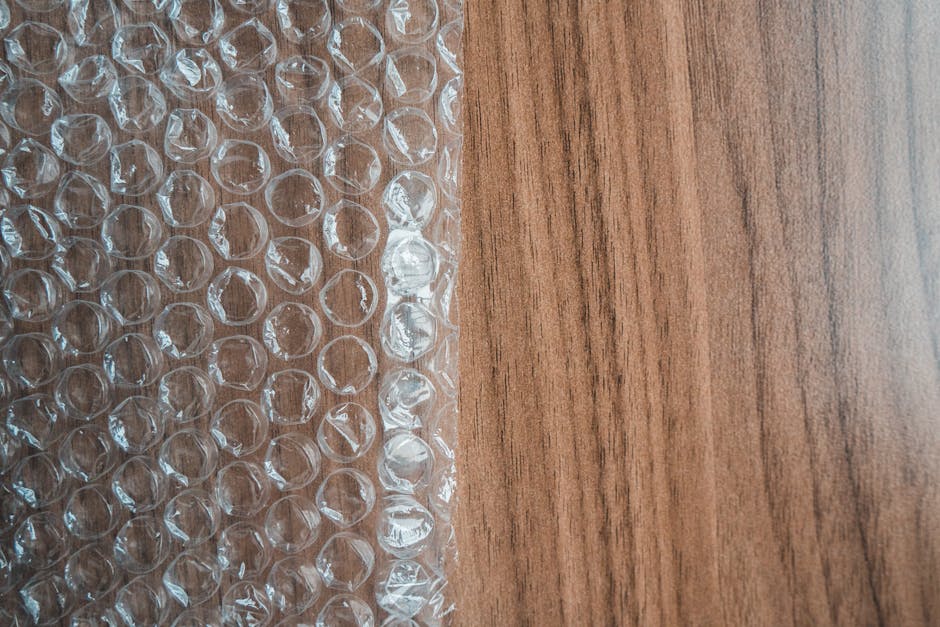
- Larger bubbles (10–12mm diameter) rather than small 3mm cushioning wrap — see the bubble size guide → for why this matters
- High bubble density (bubbles packed closely together, not widely spaced)
- Clean, undamaged pieces large enough to cover your window panes
Where to get it free:
- Your own deliveries — save it before recycling
- Neighbours and family — people are usually happy to offload it
- Local Facebook Marketplace / Freecycle — "looking for bubble wrap" posts almost always get responses within hours
- Small local businesses — hardware stores, florists, gift shops, and independent retailers that receive deliveries often have more than they need
- Office buildings — mail rooms accumulate packaging waste daily
Collect pieces through summer and autumn so you have enough when the heating season arrives. A medium-sized house with 15–20 windows needs roughly 15–20 square metres of bubble wrap, which you can accumulate surprisingly quickly.
Option 2: Horticultural Bubble Wrap (Best Purpose-Made Option)
Horticultural bubble wrap — also called greenhouse bubble wrap or thermal bubble wrap — was specifically designed for insulating glass structures. Greenhouse growers have used it for decades to keep their plants above freezing through winter without expensive heating.
It has three meaningful advantages over standard packaging wrap for window insulation:
Larger, more uniform bubbles. Horticultural wrap typically uses larger bubbles than standard packaging wrap — usually around 20mm or larger — maximising the trapped air volume and insulation value.
UV stabilisation. Packaging bubble wrap yellows and becomes brittle when exposed to UV light over time. This matters if you use it on south-facing windows that get direct sunlight for months. Horticultural wrap is UV-treated to last several seasons without degrading.
Consistent quality. It comes in clean, new condition in consistent large sheets, which makes cutting and installation much cleaner than working with irregular scraps of salvaged packaging.
Where to buy:
- Garden centres — most carry it as a seasonal product from September onwards
- Agricultural suppliers
- Amazon and other online retailers — search "greenhouse bubble wrap" or "horticultural bubble wrap"
- Hardware chains like Wickes and B&Q (UK) typically stock it in autumn
Typical prices:
- UK: £8–£15 for a 4m × 1.5m roll; £20–£40 for a large 50m roll
- US: $15–$30 for a standard roll
A 50m roll covers a large house with material to spare for a greenhouse, shed, or garage. If you're also interested in solar greenhouse heating →, bubble wrap is the first step in keeping that structure warm cheaply.
Option 3: Standard Fresh Packaging Bubble Wrap (Buy New)
If you can't accumulate enough recycled material and don't need the durability of horticultural wrap, buying a fresh roll of standard large-bubble packaging wrap is a solid middle option.
What to buy:
- Look for "large bubble" wrap — 10mm or 12mm bubble diameter
- Buy in rolls rather than small pre-cut bags (rolls are dramatically better value)
- A roll of 500mm × 100m costs roughly $20–$35 and covers more windows than most houses have
Where to buy:
- Amazon — easiest, search "large bubble wrap roll"
- Hardware stores: Home Depot, Lowe's (US), B&Q, Wickes (UK)
- Office supply stores
- Moving supply companies — they stock large rolls cheaply
Avoid: The small-bubble "popping" kind sold in little sheets for crafts and gift wrapping. Always buy the proper large-bubble packaging roll.
What NOT to Use
A few things that come up in questions worth clearing up:
Metalized / foil bubble wrap: Some specialty wrap has an aluminium-laminated surface for extra reflectivity. It's fine for windows and adds a solar reflection benefit in summer. But it's expensive and the improvement over plain large-bubble wrap is marginal. Not worth seeking out specifically.
Plastic bags: No air pockets, no insulation value. Don't bother.
Small craft bubble wrap: The miniature-bubble stuff sold in craft stores. As covered in the bubble wrap size guide →, small bubbles provide significantly less insulation than large ones.
Old, flat bubble wrap: If the bubbles have already been popped or compressed, the air pockets are gone and so is the insulation value. Squeeze a section before using it — if there's nothing to squeeze, it's worthless for insulation.
Summary: Which Should You Buy?
| Source | Cost | Quality | Best For |
|---|---|---|---|
| Recycled packaging (large bubble) | Free | Variable | Most homeowners — start here |
| Local businesses' packaging waste | Free | Variable | Supplementing your own collection |
| Horticultural / greenhouse wrap | £20–40 / $20–30 for large roll | Excellent | Multi-season use, greenhouses, sheds |
| Fresh standard packaging wrap (large bubble roll) | $20–35 per large roll | Good | When you can't collect enough recycled material |
The approach that makes the most sense for most people: start collecting large-bubble packaging wrap from your deliveries now, and if you run short when the heating season hits, pick up a roll of horticultural bubble wrap from the garden centre. You'll have more than enough, it'll last multiple seasons, and the total cost will be well under $30.
Once you have your material, here's exactly how to install it → — five steps, one spray bottle, five minutes per window.
This article is part of the complete bubble wrap window insulation guide → Browse the full series: Does it work? · Installation guide · Best bubble size · Summer use · Effectiveness data · vs plastic film
Frequently Asked Questions
What is the best bubble wrap for window insulation?
Horticultural or greenhouse bubble wrap is the best purpose-made option — it has large UV-stabilised bubbles and lasts multiple seasons. For free insulation, recycled large-bubble packaging wrap from deliveries works excellently. If buying new, look for rolls with 10–12mm large bubbles, not the small 3mm craft variety.
Where can I get free bubble wrap for window insulation?
Save large-bubble wrap from your own deliveries and ask friends and family to do the same. Small local businesses — florists, hardware stores, independent retailers — often have excess packaging they are happy to give away. Freecycle and Facebook Marketplace are also reliable sources. Build up a supply through summer and autumn before the heating season starts.
What is horticultural bubble wrap?
Horticultural bubble wrap, also called greenhouse bubble wrap, is a UV-stabilised version with larger bubbles specifically designed for insulating glass structures like greenhouses. It is more durable than standard packaging bubble wrap, lasts several seasons without yellowing, and typically has larger air pockets that provide better insulation. Available from garden centres, agricultural suppliers, and online retailers.
Can I use any bubble wrap for window insulation?
Not all bubble wrap is equal. Avoid small 3mm craft bubble wrap — the tiny bubbles trap very little air and provide poor insulation. Look for large 10–12mm bubbles with high density coverage. Old, flat, or popped bubble wrap also has no insulation value. Large-bubble packaging wrap from deliveries, horticultural wrap, or fresh rolls from hardware stores all work well.