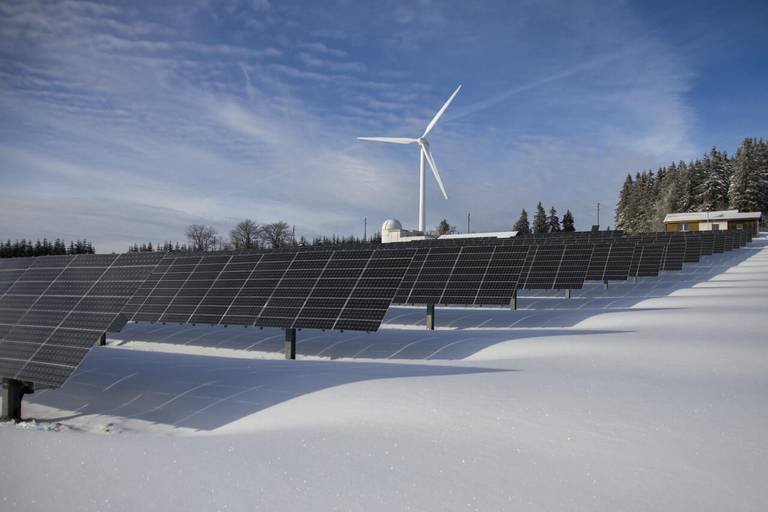
Solar Panels for a Shed: Complete System Guide (Lighting, Power Tools and EV Charging)
A solar-powered shed is one of the most practical and satisfying DIY solar projects available. No grid connection needed, no trenching cables across the garden, no sparky required for a basic setup. One panel, one battery, and a few components gives you lighting, phone charging, and power for hand tools — all from sunlight.
This guide covers every size of shed solar system, from a £60 lighting-only setup to a fully-fledged off-grid workshop powering angle grinders and EV charging.
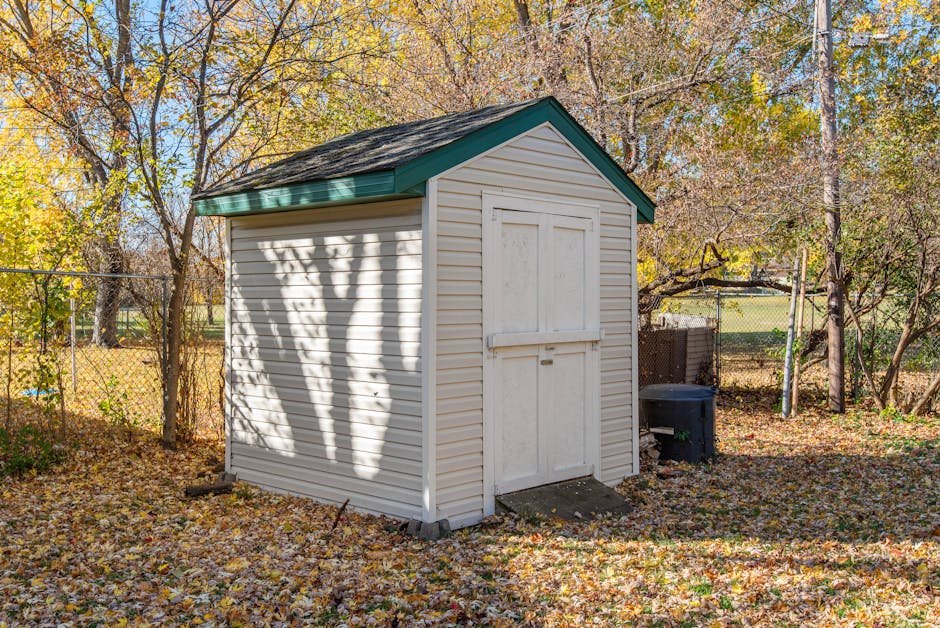
In this guide, you'll learn:
Why Solar Makes Sense for a Shed
Running mains electricity to a shed involves a buried armoured cable (£10–£25/metre), a consumer unit, RCD protection, and either a competent DIYer with electrical knowledge or a qualified electrician. For a 15-metre garden cable run, installed cost is typically £500–£1,200.
A shed solar system achieving the same result — lighting, USB charging, and light power tool use — costs £150–£400 and can be installed by any competent DIYer in an afternoon. For the majority of garden sheds, solar is simply cheaper, faster, and less disruptive than mains connection.
System Sizes: What Each Budget Achieves
| System | Panel | Battery | What it powers | Cost (DIY) |
|---|---|---|---|---|
| Lighting-only starter | 20–40W | 20Ah 12V | LED lights, phone charging | £60–£120 |
| Standard workshop | 100–200W | 50–100Ah 12V | LED lights, USB, radio, small tools | £150–£300 |
| Full workshop | 200–400W | 100–200Ah 12V or LiFePO4 | Lights, power tools, fridge, laptop | £300–£600 |
| Heavy duty / EV charging | 400–800W | 200Ah+ LiFePO4 | All above + EV slow charging | £600–£1,500 |
Components You Need
A complete shed solar system has five components:
- Solar panel: The energy source. For a shed, a rigid monocrystalline panel (100–200W) is the most cost-effective. A 100W panel costs £40–£70; a 200W panel £70–£120. Roof-mount or tilt-frame mount on the shed roof or south-facing wall.
- Charge controller: Regulates charging to prevent battery overcharge. A PWM controller suits lead-acid batteries under 400W and costs £10–£20. An MPPT controller is more efficient and suits LiFePO4 batteries or larger systems — costs £25–£60.
- Battery: Stores energy for use when the sun is not shining. Lead-acid gel batteries (50–100Ah, £50–£120) are the budget choice. LiFePO4 lithium batteries (50–100Ah, £150–£300) last 5–10× longer and are worth the premium for regular use.
- Inverter (if needed): Converts 12V DC battery power to 230V AC for standard power tool sockets. A 300–600W pure sine wave inverter costs £30–£80 and handles most hand tools and chargers. Not needed if you only use 12V LED lights and USB charging.
- Fuse, cables, and connectors: Fused connection between battery and load. 6mm² cable for the panel-to-controller run; 10–16mm² for battery-to-inverter. MC4 connectors for panel wiring. Total cable and fuse cost: £15–£30.
For a deeper look at solar energy storage options — including whether to use lead-acid, LiFePO4, or thermal storage alongside your shed system — see the solar thermal storage comparison guide →
Step-by-Step: Building a Basic 100W Shed Solar System
- Mount the panel. South-facing roof surface is ideal. Tilt angle: 30–40° from horizontal for year-round UK performance, or use a flat tilt frame. Use roof hooks or Z-brackets; seal all roof penetrations with silicone.
- Run cable from panel to charge controller. Use 4–6mm² twin-core DC cable. Keep the run as short as possible — voltage drop increases with length. Route through a conduit where it passes through the shed wall.
- Connect charge controller. Connect battery terminals first (positive then negative), then panel terminals. Never connect the panel before the battery — most PWM controllers require battery voltage to operate correctly.
- Connect battery. Fuse the positive cable within 150mm of the battery terminal. A 30A fuse covers most systems up to 400W.
- Connect loads. LED lights and USB chargers connect directly to the controller's load terminals (12V DC output) or to the battery via a separate fused circuit. Add the inverter (if using) directly to the battery with its own fuse.
- Test. Cover the panel briefly and check the controller shows battery voltage correctly. Uncover and check that the charge indicator shows charging. Test lights and USB charging.
Wiring and Safety Notes
A 12V shed solar system is low-voltage DC and does not require Part P notification in the UK or any permit in most US states. However, basic safety rules apply:
- Always fuse the positive cable at the battery — a short circuit in unsupported cable between battery and fuse can cause a fire
- Use correctly rated cable — undersized cable overheats under load
- Never short a solar panel — panels are current sources that cannot be switched off
- Keep the battery in a ventilated location — lead-acid batteries off-gas hydrogen during charging
- An inverter draws heavy current from the battery — cable from battery to inverter must be short (under 500mm) and heavy gauge (minimum 16mm² for a 600W inverter)
Costs and What to Buy in 2026
| Component | Budget option | Better option | Notes |
|---|---|---|---|
| 100W panel | £40–£55 (generic monocrystalline) | £55–£75 (Renogy, Victron brand) | Generic panels are fine for shed use |
| Charge controller (PWM) | £10–£18 (10–20A generic) | £25–£45 (Victron SmartSolar MPPT) | MPPT only worth it for 200W+ |
| 100Ah lead-acid battery | £60–£90 (generic AGM) | £80–£120 (Varta, Yuasa) | Lasts 3–5 years with regular use |
| 100Ah LiFePO4 battery | £150–£200 (generic) | £250–£350 (Battle Born, Victron) | Lasts 15–20 years, worth the premium |
| 300W pure sine inverter | £25–£40 | £45–£70 | Pure sine essential for sensitive electronics |
| Cable, fuses, connectors | £15–£25 | — | Do not skimp on cable gauge |
| Total (budget 100W system) | £150–£210 | — | Lead-acid battery, PWM controller |
| Total (quality 100W system) | — | £280–£450 | LiFePO4 battery, MPPT controller |
For a plug-and-play alternative that avoids all wiring, a portable power station (500–1,000Wh) paired with a 100–200W panel achieves similar results with no installation. Cost: £200–£500. See: portable solar power station guide →
Frequently Asked Questions
What size solar panel do I need for a shed?
For LED lighting and USB charging only, 40–100W is sufficient. For LED lighting, radio, and occasional power tool use, 100–200W with a 50–100Ah battery. For a full off-grid workshop with regular power tool use, 200–400W with a 100–200Ah LiFePO4 battery. If you want to slow-charge an EV from the shed, budget 400–800W of panels and a 200Ah+ battery.
Do I need planning permission for shed solar panels?
In the UK, solar panels on outbuildings are normally permitted development and do not require planning permission, provided they do not protrude more than 200mm from the roof surface and the outbuilding is not listed or in a conservation area. In the US, shed solar systems are typically below the threshold requiring permits — check your local authority if the system exceeds 10kW (it won't for a shed).
Can solar power a shed workshop?
Yes, for most workshop uses. A 200W panel with a 100Ah LiFePO4 battery easily powers LED workshop lights, a radio, phone and laptop charging, and occasional use of 230V tools via an inverter. Continuous heavy-draw tools (angle grinders, large table saws) cycle a battery quickly — size your battery for the duration of use you need.