What Size Bubble Wrap is Best for Window Insulation? (Small vs Large Bubbles)
This question seems trivial.
It isn't.
If you grab random bubble wrap from a package and slap it on your window, you'll get some benefit. But if you choose the right bubble size intentionally, you can noticeably improve the insulation effect — for zero extra cost, because bubble wrap often comes free in packaging.
Here's the definitive answer on what size bubble wrap works best for window insulation, and exactly why.
In this guide, you'll learn:
Larger Bubbles Are Better for Window Insulation
The rule is simple: bigger bubbles = more insulating air volume = better thermal performance.
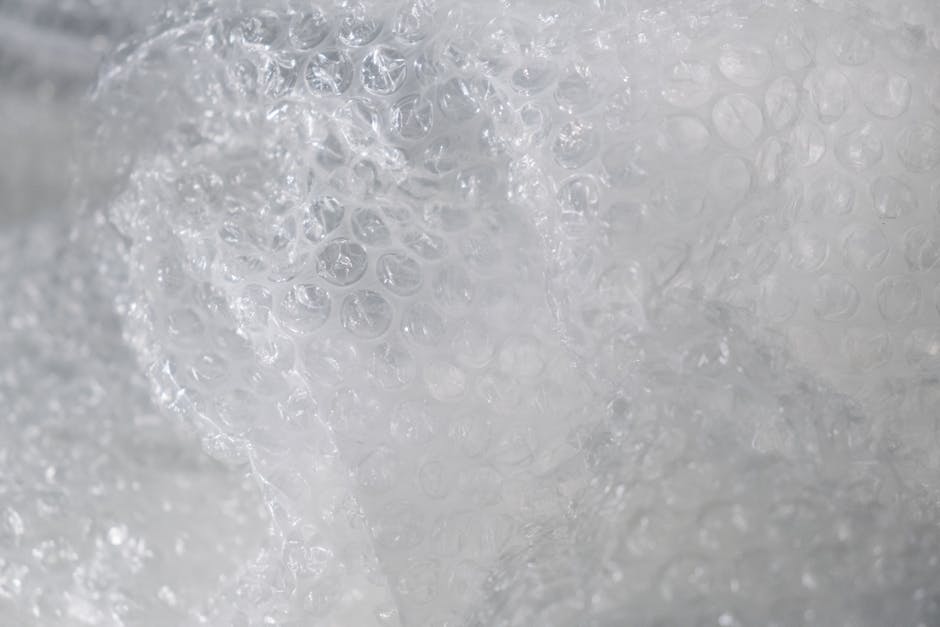
Here's why that matters. Bubble wrap insulates because of the air trapped inside each bubble. Each bubble is essentially a small insulating air pocket. The larger each pocket is, the more insulating air volume you get per square centimetre of window coverage.
Small-bubble wrap (the 3mm or 1/8-inch kind, the stuff that's satisfying to pop) is fantastic for cushioning fragile objects in shipping. For windows? It's the worst option. The bubbles are tiny, the air volume is low, and the insulation value is correspondingly weaker.
Large-bubble wrap (10–12mm or about 1/2-inch bubbles) gives you much more air volume per panel. On a window, it outperforms small-bubble wrap meaningfully.
Not sure how to actually apply the bubble wrap once you have it? Head to the step-by-step installation guide →
The Three Common Sizes and How They Compare
| Bubble Diameter | Common Use | Window Insulation Performance |
|---|---|---|
| 3mm (1/8 inch) | Wrapping small delicate items | Poor — low air volume |
| 6mm (1/4 inch) | General purpose packaging | Moderate — reasonable performance |
| 10–12mm (1/2 inch) | Shipping heavy or large items | Best — maximum air volume per panel |
If you're recycling packaging bubble wrap — which is the ideal eco-friendly approach — look through what you have and select the pieces with the largest bubbles for your windows. Use the small-bubble offcuts for their intended purpose: protecting things in transit.
What About Double-Layer Bubble Wrap?
Some bubble wrap products are double-layered — two sheets of bubbles laminated together. This is genuinely the best option for window insulation if you can find it.
Double-layer bubble wrap roughly doubles the air volume and can add close to R-2 of insulation value instead of the R-1 you get from a single layer. If you ever see double-layer wrap in packaging (it's sometimes used around electronics or appliances), save it specifically for window use.
Spoiler: larger bubbles and double layers both push the R-value higher. For single-pane windows, every extra R-point cuts your heat loss. Read the full R-value and payback guide → to understand what the numbers mean in pounds or dollars saved.
Horticultural Bubble Wrap: The Purpose-Made Option
Here's something most DIY guides don't mention.
Horticultural bubble wrap — also called greenhouse bubble wrap or thermal bubble wrap — was specifically designed for insulating glass structures. Greenhouse growers have used it for decades to keep their plants above freezing through winter without expensive heating.
It has larger bubbles than standard packaging wrap and is UV-stabilised to last longer without yellowing or becoming brittle — perfect if you want something that lasts for several seasons rather than one.
You can buy it from garden centres, agricultural suppliers, and online. A typical roll covering 50 square metres costs £20–£40 in the UK, or similar in the US. It's significantly more durable than recycled packaging wrap and looks tidier once installed.
For a broader comparison of all types — recycled packaging, horticultural, and commercial — see the best bubble wrap for windows buying guide →
Does Bubble Density Matter?
Yes. Two rolls of "large bubble" wrap can perform differently depending on how densely the bubbles are packed.
A sheet where the bubbles are packed closely together — covering nearly all of the plastic film's surface area — insulates better than one where there are large flat areas between each bubble. More bubbles per square centimetre means more air pockets, means better insulation.
Hold your bubble wrap up to the light. If you can see a lot of flat clear plastic between bubbles, it's the lower-density type. If the bubbles cover most of the surface with minimal gaps, it's the higher-density type. For windows, higher density is always better.
The Practical Bottom Line
When you're gathering bubble wrap for window insulation, here's your priority order:
- Double-layer large-bubble wrap — best option, grab every piece you find
- Single-layer large-bubble (10–12mm), high density — excellent, this is the typical scenario for most people
- Single-layer large-bubble (10–12mm), lower density — good, still worth using
- Single-layer medium-bubble (6mm) — decent, use if that's what you have
- Horticultural / greenhouse bubble wrap — best purpose-bought option for multiple seasons
- Single-layer small-bubble (3mm) — last resort; better than nothing, but barely
Don't stress too much about this. Whatever large-bubble wrap you have on hand will outperform no insulation by a meaningful margin. Optimising the bubble size is a step up, not a prerequisite.
Once you have the right material, here's exactly how to install it in 5 minutes →
This article is part of the complete bubble wrap window insulation guide → Browse the full series: Does it work? · Installation guide · Summer use · Effectiveness data · vs plastic film · Best types to buy
Frequently Asked Questions
What size bubble wrap is best for insulating windows?
Large-bubble wrap with 10–12mm (half-inch) diameter bubbles is best for window insulation. Larger bubbles trap more air, which is the insulating material. Small 3mm bubbles have low air volume and perform poorly. Double-layer large-bubble wrap is even better if you can find it.
Does bubble size really matter for window insulation?
Yes, it matters noticeably. The insulation value of bubble wrap comes entirely from trapped air. Larger bubbles contain more air per unit of area, so they deliver more R-value. For the same number of windows, large-bubble wrap can outperform small-bubble wrap by 20–30% in heat retention.
Is horticultural bubble wrap better than packaging bubble wrap for windows?
Yes, for multi-season use. Horticultural bubble wrap is UV-stabilised so it does not yellow or become brittle over time, and it uses larger, more uniform bubbles. Standard packaging bubble wrap works fine for one or two seasons but degrades faster, especially on south-facing windows with direct sunlight.
Should I use single or double layer bubble wrap on windows?
Double-layer bubble wrap is better. It roughly doubles the insulating air volume and can add approximately R-2 of insulation value instead of the R-1 from a single layer. If you find double-layer packaging wrap, save it specifically for windows.